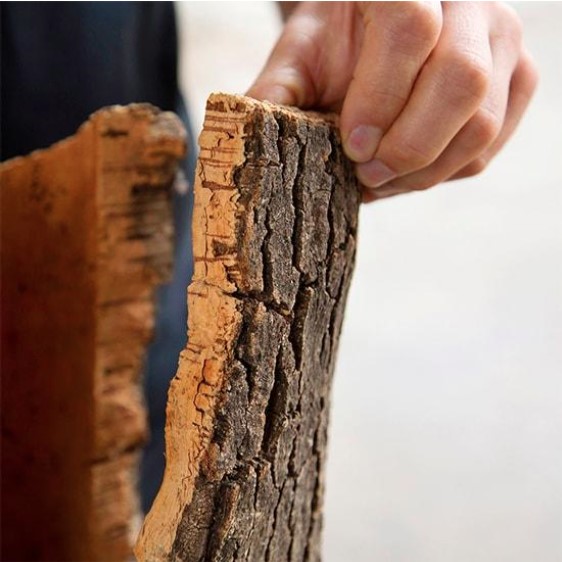
Cork is actually one of the standout examples of a highly sustainable natural resource—and not just in theory, but in real-world practice. Here’s a clear breakdown of how good it really is:
🌳 Renewable without cutting trees
Cork comes from the bark of the Quercus suber.
The tree is not cut down—only the bark is harvested.
Bark regrows every 9–12 years, and the same tree can be harvested for 150–200 years.
That makes cork one of the rare materials that’s harvested repeatedly without killing the source.
Strong environmental benefits
Cork oak forests (called montados in places like Portugal) support biodiversity, including endangered species.
Harvesting cork actually helps the tree absorb more CO₂, making it a carbon-negative material in many cases.
These ecosystems help prevent desertification and soil erosion.
Low-energy production
Compared to materials like plastic or metal, cork requires very little energy to process, which lowers its environmental footprint.
Durable and versatile
Naturally water-resistant, fire-resistant, and insulating
Used in products like wine stoppers, flooring, shoes, and even aerospace components
Bottom line
Cork is widely considered one of the most sustainable materials available. It checks nearly every box:
- Renewable
- Low impact
- Biodegradable
- Supports ecosystems